Part III of IV, in a series for counselors on spiritual formation.
The Holy Spirit works in individual lives to bring about spiritual maturity, through spiritual growth. Sanctification is the ongoing transformation of the believer’s character so they become more like Christ. Sanctification through the Holy Spirit is both definitive and progressive.
Definitive sanctification is parallel to regeneration, in that at the moment of “re-birth”, the believer is sanctified, or “set apart”, forever, by the work of Christ on the Cross and sealing of the Holy Spirit (Eph. 1:13). This definitive sanctification removes any requirement of the law, such as temporary offerings and sacrifices which Christ was greater and sufficient to fulfill for eternity (Heb. 10:10). Believers are “baptized by the Spirit” (Corin. 12:13), and their bodies become the temple of the Holy Spirit (1 Corin. 6:19), for Him to live in as Christ promised (John 14:17).
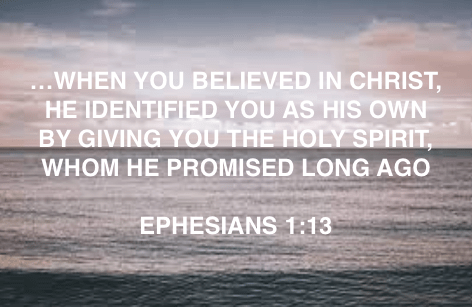
This new indwelling of the Spirit begins the process of change towards Christlikeness, called progressive sanctification.
Believers are not sinless, but rather they become free from sin, as Romans 6:22 states “But now that you have been set free from sin and have become slaves of God, the fruit you get leads to sanctification and its end, eternal life.” (ESV). Being slaves of God, obedience to the Holy Spirit results in sanctification. This does not imply that human agents are solely responsible for their own sanctification, contrarily it is the Holy Spirit who empowers believers to be obedient, with the desire to love, trust, obey and praise God.
The Holy Spirit equips us to live a life in accordance with Gods Scripture. As our work of the flesh fades (Gal. 5:19-21), He manifests His spiritual gifts through us and in us, allowing us to build God glorifying relationships and impact the world around us. We are given: love, joy, peace, patience, kindness, goodness, faithfulness, gentleness and self-control (Gal. 5:22-23). Through progressive sanctification, we are transformed into Christ’s likeness (2 Corin. 3:18).
“The newness of the new self is not static but dynamic, needing continual renewal, growth, and transformation”
John Murray
Believers must make the willful decision to remain under the Spirits control, to be filled by Him (Eph. 5:18). As Dr. Collins states, “we cooperate with Him by doing our part and by depending upon Him to do His work.” (1993, p. 170). The Holy Spirit is the third person of the triune God, and as such can be grieved (Eph 4:30). When we go against the Spirit, we suppress or quench Him (1 Thess 5:19) and this affects our progress in His sanctification. We benefit greatly from our obedience. We remain in the true vine, He produces the fruit through us.
In Part IV we will discuss how we can help others cooperate with the Spirit.
 Good&Well